☰

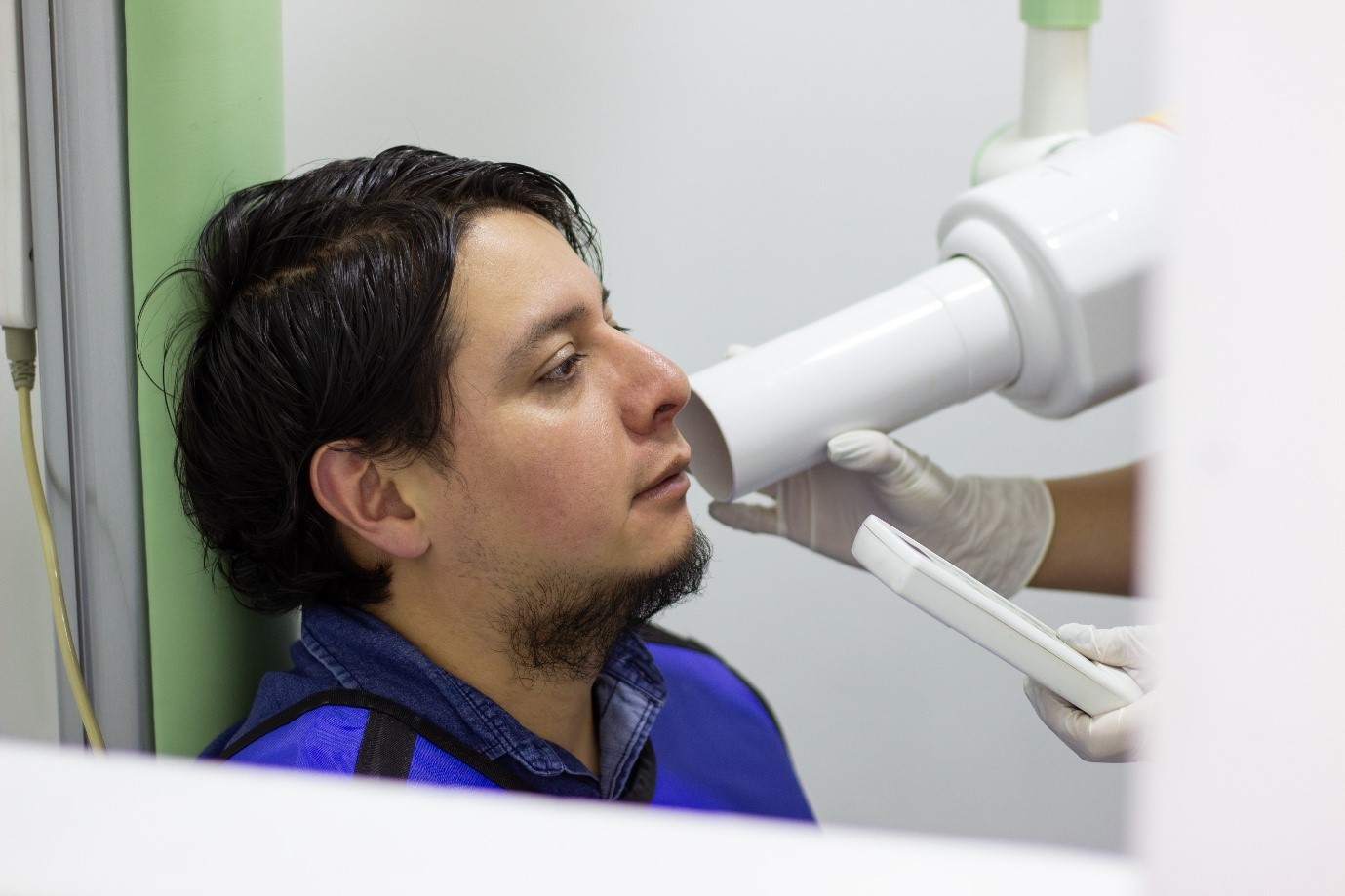
Most serious dental problems do not appear overnight. They develop gradually — often without noticeable pain — until you are suddenly dealing with swelling, infection, gum disease, damaged teeth, or costly treatment procedures.
Regular oral check-ups are the simplest and most effective way to prevent these complications.
If you are looking for a reliable dental clinic in Chennai, understanding the importance of preventive dental care is essential. Early detection and routine monitoring can significantly reduce the risk of advanced dental conditions.
In a city like Chennai, access to qualified dentists and modern dental clinics is widely available. The real challenge is not accessibility — it is timing. Many people delay dental visits until symptoms such as tooth pain, bleeding gums, or sensitivity begin to interfere with daily life.
This blog explains why routine dental visits are important, what dentists evaluate during a regular oral examination, and how preventive dentistry helps you avoid major dental problems while saving time, discomfort, and long-term expenses.
One of the most common misconceptions about oral health is waiting for pain before visiting a dental clinic.
In reality, pain is a late symptom in dentistry.
By the time a tooth starts hurting:
Most serious dental problems — including cavities, periodontal disease, and early infections — are painless in their initial stages. This silent progression is exactly why regular dental check-ups are critical.
Routine oral examinations help detect issues before they reach the stage of pain, allowing for simpler, less invasive, and more affordable treatment options.
Preventive dental care is not about reacting to discomfort — it is about identifying problems early and protecting long-term oral health.

A comprehensive oral examination goes far beyond a quick visual check. During a routine dental check-up, dentists carefully evaluate multiple aspects of your overall oral health to detect early-stage problems before they become serious.
Dentists typically assess:
Many of these dental issues are not visible or painful to patients in their early stages. However, they are clearly detectable during routine dental visits using clinical examination and diagnostic tools.
This is why preventive dental check-ups play a critical role in maintaining long-term oral health and avoiding complex treatment later.


Small cavities can be treated with quick, conservative dental fillings that preserve most of the natural tooth structure. Early treatment is simple, affordable, and minimally invasive.
However, when cavities are missed or ignored, the same tooth may later require:
What begins as minor enamel decay can progress into deep infection if not detected early. Regular dental check-ups help identify tooth decay in its initial stages — before pain develops and before treatment becomes complex.
Preventive dental visits ensure small problems remain small, protecting your natural teeth and reducing the risk of major procedures.


Bleeding gums are often ignored — but they are one of the earliest warning signs of gum disease.
Many people assume bleeding while brushing is normal. In reality, it is usually a sign of gingivitis, the first stage of periodontal disease. At this stage, the condition is still reversible with proper professional care and improved oral hygiene.
Routine dental check-ups help to:
If gum disease is left untreated, it can progress to periodontitis, where infection begins to damage the supporting bone around the teeth. Once bone loss occurs, it cannot be fully reversed — making early detection and intervention critical.
Regular preventive dental visits play a key role in preserving healthy gums, strong bone support, and long-term tooth stability.


Dental emergencies rarely happen without warning. In most cases, they are the result of:
What often feels like a "sudden" dental emergency is usually the final stage of a problem that developed gradually over time.
Regular dental check-ups help identify these risk areas early — before they turn into severe pain, facial swelling, or urgent treatment needs. Early detection allows for planned, conservative treatment instead of emergency procedures.
Preventive dental care reduces the likelihood of unexpected complications and protects both your oral health and overall well-being.
Preventive dentistry is always more affordable than corrective dentistry.
A routine dental check-up and professional cleaning cost significantly less than advanced dental procedures such as:
When preventive care is neglected, minor dental problems can progress into conditions that require complex and expensive restorative treatments.
Regular dental visits help detect issues early, allowing for simple and affordable interventions. They also spread oral healthcare costs over time, preventing sudden and large financial burdens caused by emergency or advanced procedures.

For children, dental check-ups are not just about detecting cavities — they help build lifelong oral health habits.
Early and consistent dental visits play a crucial role in monitoring growth, preventing dental problems, and creating positive dental experiences from a young age.
Regular visits help to:
Tooth decay in children can progress rapidly if unnoticed. Early diagnosis allows for simple and conservative treatment, preventing pain and complications.
Children who visit the dentist regularly tend to grow up less anxious and more proactive about maintaining their oral health. Establishing preventive dental care early sets the foundation for stronger teeth, healthier gums, and confident smiles in adulthood.
As we age, maintaining oral health requires greater attention and consistent preventive care. Dental risks naturally increase over time due to structural changes, medical conditions, and long-term wear on teeth.
Common age-related dental concerns include:
Without regular monitoring, these issues can progress into discomfort, tooth mobility, infection, or difficulty chewing.
Routine dental check-ups help detect early signs of gum disease, root decay, and restoration failure before they become complex problems. Preventive care ensures better chewing efficiency, reduced pain, and maintained confidence — even in later years.
Consistent dental visits are essential for preserving oral function, comfort, and overall quality of life as we age.
One of the main reasons people avoid regular dental check-ups is fear. Dental anxiety affects both children and adults, often leading to delayed visits and untreated problems.
Beyond clinical expertise, the human approach of a dental clinic plays a critical role in encouraging preventive care.
Clinics that prioritise:
often see patients seeking care earlier — instead of waiting until pain forces them to visit.
When patients feel understood rather than judged, they are more likely to attend routine dental check-ups consistently. A supportive and empathetic environment transforms dental visits from stressful experiences into proactive health decisions.
Preventive dentistry is not just about technology or treatment plans — it is also about trust, comfort, and communication.
When selecting a dental clinic in Chennai for routine check-ups, the "best" clinic is not necessarily the most advertised — it is the one that prioritize preventive care and long-term oral health.
For regular dental visits, look for a clinic that focuses on:
A preventive-focused dental clinic will emphasis early detection, patient education, and conservative treatment options instead of unnecessary procedures.
A good example of this patient-centred approach is Dr Shradha Dental Center, where family dentistry is built around preventive care, clear communication, and creating a comfortable environment for patients — especially children — during regular check-ups.
Choosing the right dental clinic ensures that routine visits remain simple, stress-free, and effective in maintaining long-term oral health.
For most people, visiting a dental clinic every six months is ideal. Biannual dental check-ups allow dentists to detect early signs of tooth decay, gum disease, and other oral health concerns before they progress.
However, dental care is not a one-size-fits-all approach.
Some individuals may require more frequent visits, especially if they have:
Regular monitoring helps manage these risk factors and prevents complications.
Your dentist will recommend a personalized dental check-up schedule based on your oral health status, medical history, and risk profile — ensuring you receive the right level of preventive care at the right time.
Consistent and customized follow-up is key to maintaining long-term oral health and avoiding major dental issues.
Regular dental check-ups are not about searching for problems — they are about preventing them before they begin.
Preventive dental care helps you:
Consistent routine visits allow early detection of minor issues, making treatment simpler, less invasive, and more affordable.
In dentistry, the smallest step — simply showing up for regular check-ups — often makes the biggest difference in maintaining lifelong oral health and confidence.
Preventive care today protects your smile for years to come.